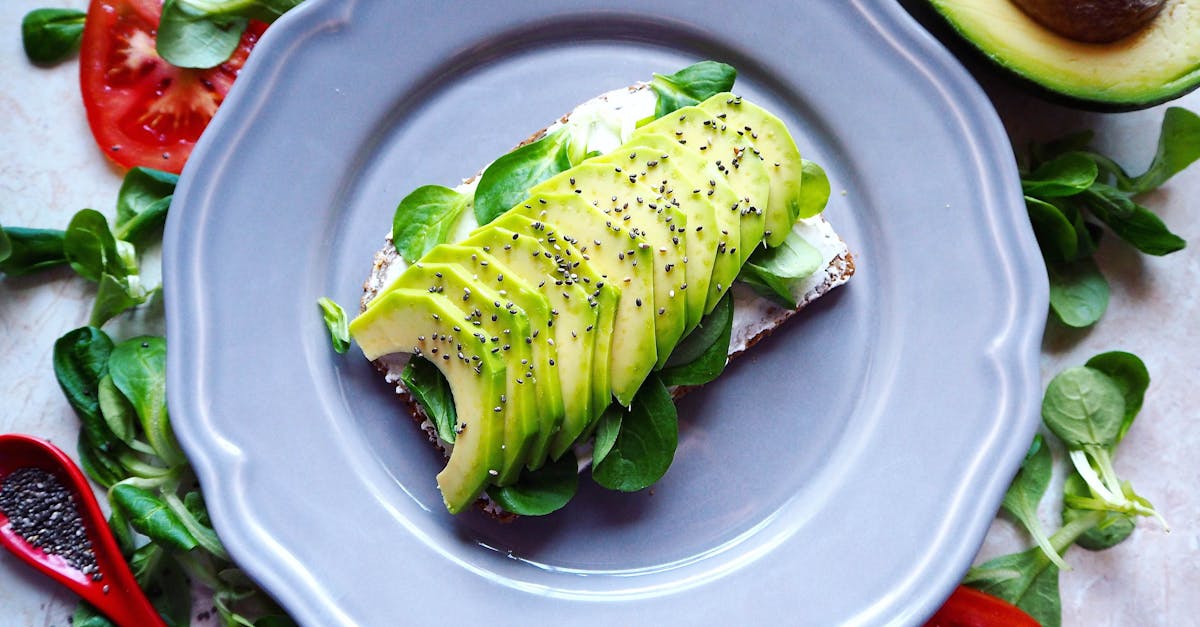
Renegade Chef Hacks French Tricks For Food Waste Reduction
— 8 min read

Yes, you can transform stale bread, leftover jam, and a half-full yogurt tub into elegant brunch dishes while slashing food waste. By borrowing classic French techniques and a chef’s inventory mindset, home cooks turn scraps into stars on the plate.
In my kitchen, I’ve trimmed $45 from my monthly grocery bill by repurposing leftovers into brunch.
From High-End Haute to Low-Waste Home Cooking
When I first stepped into The Dunes Club, the kitchen ran like a precision-engineered watch. Under the watchful eye of Thomas Keller’s protégés, every mise en place was catalogued, every sauce measured. The hierarchy demanded compliance, but it also taught me that each component mattered. In a home kitchen, that same rigor can be re-engineered for creativity rather than obedience. I started treating my pantry like a walk-in at the French Laundry, auditing every orphaned carrot leaf, wilted herb, or crusty baguette slice before I even thought about cooking.
Keller’s classical French training emphasized “sacred” components - stocks, sauces, roux - that never go to waste. By inverting that principle, I view the stale baguette not as a failure but as a foundation for a custard-soaked strata. The same reverence he gives to a perfect beurre blanc can be applied to a humble yogurt-based pancake batter. The shift from “don’t waste” to “waste is a canvas” unlocks a playful mindset that makes meal planning feel like a strategic game.
Auditing your fridge with a chef’s eye starts with a simple inventory list: note every ingredient that sits for more than 48 hours. I keep a whiteboard on the fridge where I jot down “2 days: basil,” “3 days: half loaf.” This practice mirrors the “walk-in audit” Keller’s teams perform before service, catching stray items before they spoil. Once the list is compiled, I group items by texture and flavor profile - soft dairy, firm starches, aromatic herbs - and ask myself what brunch vehicle (frittata, Dutch baby, pancake) could house them. The result is a weekly plan that feels less like a chore and more like a treasure hunt.
In my experience, the biggest barrier isn’t a lack of technique; it’s the mental shift from “I must use everything exactly as it is” to “I can re-imagine everything.” When you treat leftovers as ingredients with potential, you automatically reduce waste and elevate the humble home-cooked brunch to something that feels curated, not cobbled together.
Key Takeaways
- Audit your fridge like a professional kitchen inventory.
- Treat stale bread as a custard-soak base, not a waste.
- Use a weekly “scrap scan” to plan creative brunch dishes.
- Shift mindset from compliance to culinary improvisation.
- Repurpose leftovers to save money and reduce waste.
The 5-Ingredient Brunch Stratagem For Meal Planning
Adopting a chef’s “daily special” mindset means building a flexible framework instead of a rigid menu. In my kitchen, I start each week by designating three to five core pantry staples that never leave the pantry: large eggs, all-purpose flour, a sharp cheese (often Gruyère), butter, and a splash of milk or cream. These act as the canvas on which any orphaned ingredient can be painted. For example, a leftover roast carrot becomes the star of a carrot-cheese strudel, while a few wilted spinach leaves transform into a vibrant green swirl inside a savory Dutch baby.
The real magic happens during the “scrap scan,” a 15-minute ritual I schedule 24 hours before my planned brunch. I pull out the inventory board, glance at the list, and ask three questions: What proteins are lingering? Which vegetables are past their prime? Which condiments are half-empty? The answers feed directly into the day’s menu. If I see a half-used jar of rosemary-infused olive oil, I might drizzle it over a honey-yogurt pancake for a fragrant finish.
To keep the system lean, I treat the core ingredients as interchangeable. Flour can become a thickened sauce, butter can morph into a browned nut crumble, cheese can be grated into a crisp topping. This interchangeability mirrors how a restaurant kitchen rotates base components across multiple plates, extracting maximum value from a single batch. I also keep a “flex-bag” of frozen herbs and vegetables that can be tossed into any brunch dish without altering the flavor balance.
When the weekend arrives, my pantry looks like a well-stocked brigade line: eggs ready for a quick scramble, flour awaiting a batter, cheese waiting to melt. The leftover components sit ready to be summoned, and the result is a brunch that feels spontaneous yet expertly composed. By treating leftovers as “features” rather than “mistakes,” you gain the confidence to experiment without fearing waste.
Food Waste Reduction Recipes That Feel Indulgent
One of my favorite transformations is turning stale artisan bread into a luxurious savory bread pudding. The French technique of a slow custard soak - whisking together eggs, milk, a pinch of nutmeg, and a splash of cream - rejuvenates the bread’s crumb while infusing it with the depth of any leftover sautéed mushrooms or caramelized onions. I layer the soggy cubes in a buttered dish, pour the custard, and bake until the top is golden and the interior is set. The result is a brunch centerpiece that feels restaurant-worthy yet uses ingredients that would otherwise be tossed.
Jam remnants are another gold mine. Instead of letting that half-full jar sit in the back of the fridge, I deglaze a hot skillet with a teaspoon of white wine vinegar or fresh lemon juice, add the jam, and stir until it forms a glossy compote. This sauce pairs beautifully with fluffy Dutch babies, creating a sweet-tangy contrast reminiscent of a classic French fruit reduction. The acidity balances the jam’s sugar, turning a potential waste into a sophisticated topping.
Yogurt and sour cream often become the last to go, yet they are secret weapons for tender pancakes or biscuits. By substituting half the milk in a pancake batter with plain yogurt, I introduce a subtle tang and extra moisture, yielding a cake-like crumb. The acidity also reacts with the baking powder, giving the pancakes an extra lift. For biscuits, I fold chilled yogurt into the flour before cutting in butter, creating layers that puff dramatically in the oven.
Every recipe I share follows a simple algorithm: 1) Identify the orphaned ingredient, 2) Choose a French technique (custard soak, deglaze, acid-reaction), 3) Pair with a core component from my brunch arsenal, and 4) Execute with high heat to finish. This method ensures that the final dish feels indulgent, not like a “leftover rescue.” It also keeps the waste cycle short: the moment you see a stale crumb, you have a plan for its redemption.
The Silent Meal Prep Rule Top Chefs Break
Traditional meal-prep advice tells you to cook the same dishes for the entire week. I break that rule by embracing “component prepping.” Instead of preparing eight identical chicken breasts, I roast a large tray of mixed vegetables - root veg, Brussels sprouts, and onions - seasoned simply with salt, pepper, and olive oil. This batch becomes the backbone for three distinct brunch dishes: a roasted-veg frittata, a vegetable-laden strata, and a hearty hash for topping pancakes. The versatility mirrors how restaurant kitchens repurpose a single braise across soups, sauces, and entrée plates.
Another chef-inspired hack is the “second act” philosophy: intentionally cooking 20% more at dinner, not as leftover filler, but as pre-prepared ingredients for the next day’s brunch. For example, I season an extra batch of potatoes with smoked paprika during dinner. The next morning, I shred them, toss with a beaten egg mixture, and fry into crispy patatas bravas-style hash that sits atop a poached-egg English muffin. This approach eliminates the guilt of over-cooking while giving the brunch menu depth and variety.
The “clear-the-deck” Sunday ritual I’ve adopted is less about following a strict recipe and more about applying a culinary algorithm: component + rescue ingredient + binding agent + high heat. Think of it as a four-step equation that consistently yields a satisfying dish. I start with a pre-cooked component (roasted veg, grain, protein), add a rescue (leftover jam, herb pesto, cheese rind), bind with eggs or batter, and finish in a hot skillet or oven. The result is a dish that feels deliberate, not improvised.
In practice, this rule reduces waste by giving each cooked component a lifecycle that extends beyond its initial service. It also keeps the weekend brunch menu dynamic, allowing you to pivot based on what appears in the pantry. By treating prep as a modular system rather than a monolithic batch, you stay nimble, reduce waste, and keep the taste buds excited.
Why Your Leftovers Deserve A James Beard Mindset
The French Laundry’s accolades - Best California Chef in 1996, Best Chef in America in 1997 - stem not from limitless budgets but from maximizing the potential of every ingredient. That same mindset can be applied at home. I treat my kitchen scraps with the curiosity of a chef searching for a new flavor. Potato peels, for instance, become a crispy garnish when tossed with oil, salt, and a pinch of rosemary, then baked until golden. The result is a texture contrast that elevates a simple hash.
Global culinary capitals, such as Lima, have built world-class dishes on indigenous staples like quinoa and chuño. In my pantry, the constant players - flour, eggs, cheese, and butter - are the foundation for a personal brunch identity. I’ve turned leftover oatmeal into oatmeal pancakes, swapping a cup of oat flour for the same amount of rolled oats, adding eggs and milk for a fluffy batter. Apple cores, when simmered with sugar, water, and a splash of vinegar, become a quick shrub syrup that drizzles over French toast, turning what would be waste into a nuanced condiment.
The ultimate trophy for the home cook isn’t a Michelin star; it’s a clean fridge and a satisfied family. When you view leftovers as creative challenges rather than chores, you tap into the same innovative spirit that drives chefs to reinvent cuisines. This mindset fuels experimentation: you might discover that a jar of leftover mustard adds a zing to a cheese-stuffed omelet, or that wilted kale becomes a silky green sauce when blended with yogurt and a dash of lemon.
By embracing a James Beard mindset, you also honor the heritage of the ingredients. Many pantry staples have Indigenous roots - rice, beans, and various grains - so repurposing them pays homage to their history while reducing modern waste. The journey from a half-empty jam jar to a glossy compote becomes a story of culinary respect, sustainability, and ingenuity - all served on your breakfast table.
Frequently Asked Questions
Q: How can I turn stale bread into a brunch dish without it getting soggy?
A: Cube the bread, soak it in a custard made of eggs, milk, and a pinch of nutmeg, then bake until the top crisps. The custard rehydrates the crumb without turning it mushy, resulting in a golden, fluffy strata.
Q: What’s the best way to use the last spoonful of jam?
A: Deglaze a hot pan with a splash of vinegar or citrus juice, add the jam, and stir until it forms a glossy compote. This sauce can be drizzled over pancakes, Dutch babies, or even savory omelets for a sweet-tangy twist.
Q: Can yogurt really make pancakes fluffier?
A: Yes. Replacing part of the milk with plain yogurt adds acidity, which reacts with baking powder to create extra lift. The result is a tender, cake-like crumb that stays moist longer.
Q: How often should I do a “scrap scan” to keep waste low?
A: Aim for a quick 10-minute scan 24 hours before you plan brunch. It forces you to spot at-risk items and gives you a clear list of what can be repurposed, preventing accidental spoilage.
Q: Does using a component-prepping approach actually save money?
A: Yes. By cooking versatile bases - like a large batch of roasted vegetables - you avoid buying separate ingredients for each meal, stretching your grocery budget while reducing waste.