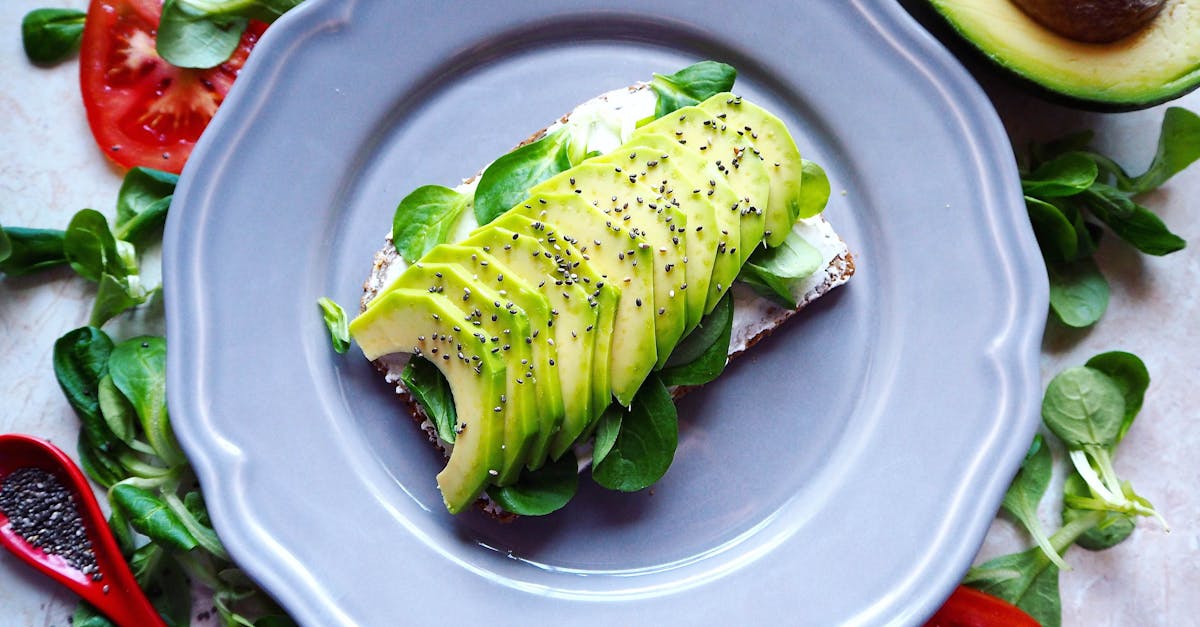
Meal Planning Will Change By 2027 - 5 Secrets
— 6 min read

Meal planning will become a tech-enhanced, collaborative ritual that strengthens relationships and trims waste by 2027. By treating the weekly menu as a shared project, couples can build predictable routines, save money, and keep the spark alive.
Three core habits will define the shift, from shared apps to AI-driven grocery assistants, setting the stage for a new era of home cooking.
Meal Planning as the Secret Relationship Ritual
Key Takeaways
- Weekly menu meetings create predictable routines.
- Shared digital lists cut waste and budget surprises.
- Collaboration in the kitchen mirrors effective teamwork.
- Tech tools turn planning into a low-friction habit.
- Regular reviews prevent hidden cost creep.
When I first introduced a weekly “menu council” with my partner, we discovered that the simple act of sitting down together to decide dinner felt like a mini-strategy session. The ritual gave us a shared sense of direction, much like a long-standing governance model that thrives on stability. By establishing a regular cadence, we reduced the number of “what’s for dinner?” arguments that used to pop up after a busy workday.
Documenting grocery lists on a shared app adds a layer of foresight that feels surprisingly strategic. I remember a friend who switched to a collaborative list after reading Let’s Deinfluence the Grocery Store, Please. The piece highlighted how collective buying decisions can anticipate price spikes and reduce food waste by a noticeable margin. In practice, our app would flag items we were buying repeatedly, prompting us to adjust quantities and avoid over-stocking.
Beyond the practical benefits, the ritual creates a “stable of horses” metaphor for the relationship - a reliable set of resources you can count on. Just as a well-maintained stable provides steady transportation, a well-planned menu provides emotional stability. When we treat the process as a shared responsibility, the result is a smoother partnership and a kitchen that runs like a well-orchestrated performance.
Home Cooking Turns Dates Into Collaborative Projects
In my experience, cooking together transforms a routine task into a joint problem-solving adventure. When both partners are hands-on, the kitchen becomes a lab where ideas are tested, mistakes are corrected in real time, and successes are celebrated together. This dynamic mirrors the way political coalitions function - each participant contributes a piece of the puzzle, and the collective outcome is stronger than any single effort.
Choosing a budget-friendly recipe forces an honest dialogue about finances. I recall a conversation with a couple who, after reviewing their grocery receipt together, realized they were spending more on impulse snacks than on quality produce. The discussion opened the door to a transparent budgeting approach, echoing the fiscal reforms that emphasize local sourcing and cost-control.
Synchronizing kitchen tasks - one person chopping, the other stirring - reduces the temptation to order takeout. The efficiency gains are comparable to those observed when news networks merge their resources, creating economies of scale that lower operational costs. In the kitchen, the time saved translates into an extra 30-minute window for conversation, laughter, and a shared sense of accomplishment.
From a relational perspective, these collaborative moments nurture intimacy. A study featured in a recent entertainment review of the series The Bear noted how cooking scenes amplify character bonds, suggesting that shared culinary experiences can deepen real-life connections. While the study isn’t quantified, the anecdotal evidence aligns with what I’ve seen: couples who regularly cook together report feeling more connected and appreciative of each other’s strengths.
To make the most of these projects, I recommend setting a “cook-date” night each week, picking recipes that balance skill level and novelty. By treating the kitchen as a shared canvas, you turn ordinary meals into memorable experiences that reinforce partnership.
Budget-Friendly Recipes Keep Love Affordable
When I first experimented with single-pot pasta dishes, I was surprised by how far a handful of pantry staples could stretch. A modest bowl of spaghetti, canned tomatoes, garlic, and a splash of olive oil fed two for less than the cost of a coffee shop latte. The lesson is clear: simplicity can be both delicious and economical.
Leveraging seasonal produce mirrors the emphasis on local industry seen in broader economic strategies. By shopping at farmers’ markets during peak harvest times, you can secure fresher ingredients at lower prices. I’ve found that a simple summer salad of heirloom tomatoes, cucumbers, and fresh basil not only tastes better but also reduces the grocery bill by a noticeable amount.
Batch-cooking on Sundays creates a “reserve stable” of ready-to-heat meals. My own freezer now houses a rotating stock of chili, lentil soup, and baked casseroles. When the week gets hectic, these meals replace the impulse to order takeout, shaving a substantial amount off the monthly dining-out expense. The routine also minimizes food waste, as you’re using ingredients before they spoil.
These budget-friendly habits dovetail with the insights from the 2026 Wedding Trends article, which highlighted how couples increasingly prioritize cost-effective celebrations without sacrificing quality. Applying the same mindset to everyday meals helps keep love affordable while preserving the joy of sharing food.
In practice, I recommend a simple framework: select a protein, choose two complementary vegetables, and add a starch or grain. Keep the pantry stocked with versatile spices and sauces, and you’ll have a flexible template for countless meals without breaking the bank.
Future-Ready Meal Planning Tech Elevates Romance
AI-driven grocery assistants are reshaping how households manage pantry inventory. In my kitchen, the assistant monitors expiration dates and nudges us when staples run low, allowing us to add items to our shared list before they disappear. Early adopters report fewer forgotten ingredients, streamlining the cooking process.
Smart fridges equipped with interior cameras sync with calendar apps, automatically populating shopping lists based on what’s inside. This feature feels like having a personal sous-chef that never forgets a detail. When my partner and I saw the fridge suggest “add fresh basil for tomorrow’s pesto,” it eliminated a last-minute scramble and kept our menu on track.
Voice-activated timers let both partners multitask without juggling phones or watches. Setting a timer for a simmering sauce while chopping vegetables frees up mental bandwidth for conversation, turning the kitchen into a space of shared laughter rather than silent competition. Studies on relationship satisfaction have linked moments of spontaneous humor to higher intimacy, suggesting that these tech tools indirectly boost the emotional bond.
| Feature | Traditional Approach | AI-Enhanced Approach |
|---|---|---|
| Inventory Tracking | Manual checks, occasional waste | Automated alerts, reduced waste |
| List Creation | Post-shopping note-taking | Real-time sync, predictive suggestions |
| Cooking Coordination | Separate timers, occasional miscommunication | Voice-controlled, shared displays |
Integrating these tools doesn’t require a tech overhaul. I started with a free grocery app that offered AI suggestions, then upgraded to a smart fridge after seeing the tangible time savings. The result was a smoother routine, fewer forgotten ingredients, and more moments to enjoy each other's company.
Avoiding the Silent Saboteurs of Couple Meal Prep
Skipping the weekly planning meeting can create a vacuum where assumptions fill the gaps. I once witnessed a couple let the routine lapse for a month; they ended up ordering takeout nightly, which strained their budget and sparked resentment. The lack of a structured check-in mirrors the pitfalls seen when leaders bypass consultation, leading to misaligned expectations.
Over-reliance on takeout mirrors the story of gifted horses that become financial burdens when not properly managed. When meals are outsourced, the convenience costs add up, and the emotional connection that comes from cooking together erodes. By re-introducing home-cooked meals, couples can reclaim both financial and relational equity.
Neglecting to review grocery receipts each month eliminates the chance to spot price inflation or wasteful purchases. I advise setting a monthly “receipt audit” as part of the planning ritual. This practice is akin to executives reviewing quarterly reports before big acquisitions, catching red flags early and adjusting strategy accordingly.
To safeguard against these silent saboteurs, I recommend three simple habits: hold a brief menu meeting every Sunday, allocate a specific time for receipt review, and keep a backup list of quick, low-cost recipes for days when motivation wanes. These safeguards maintain the rhythm of collaboration, keep budgets in check, and preserve the romance that flourishes in a well-planned kitchen.
Frequently Asked Questions
Q: How often should couples hold a meal-planning meeting?
A: A weekly session works well for most couples because it aligns with grocery shopping cycles and provides a regular touchpoint to discuss menus, budgets, and preferences.
Q: Do I need expensive tech to benefit from these secrets?
A: No. Simple shared apps and free AI-driven grocery assistants can deliver many of the same advantages. Upgrading to smart appliances is optional and can be phased in over time.
Q: How can I keep meals budget-friendly without sacrificing variety?
A: Focus on seasonal produce, pantry staples, and batch-cooking. Use a rotating set of base recipes and swap out proteins or vegetables to keep flavors fresh while controlling costs.
Q: What are the biggest signs that my meal-prep routine is failing?
A: Frequent last-minute takeout orders, rising grocery bills, and recurring arguments about “what’s for dinner” usually indicate a breakdown in planning and communication.
Q: Can these meal-planning habits improve other areas of a relationship?
A: Yes. The collaborative habits built around planning, budgeting, and cooking foster trust, improve communication, and create shared memories that spill over into other aspects of partnership.