Does Home Cooking Beat Cereals for Dementia Prevention?
— 6 min read

A 2024 Japanese study found seniors who prepared a nutrient-dense breakfast at home reduced dementia risk by up to 30%, showing that home cooking can outpace pre-packaged cereals in brain health.
Medical Disclaimer: This article is for informational purposes only and does not constitute medical advice. Always consult a qualified healthcare professional before making health decisions.
Home Cooking: The Key to Dementia-Preventing Breakfasts
When I first started interviewing older adults about their morning routines, the story was clear: the kitchen became a tiny laboratory for brain health. According to a 2024 Japanese cohort study, seniors who cooked a nutrient-dense breakfast every day experienced a dramatic drop in dementia incidence - about 30% lower than those who ate cereal. This advantage stems from three core factors.
- Ingredient control. Home cooks can select omega-3-rich foods such as fatty fish, walnuts, or flaxseed, ensuring they meet the daily 1.6-gram recommendation that epidemiological data links to lower amyloid plaque buildup.
- Nutrient density. Fresh vegetables, whole-grain breads, and probiotic-rich yogurts provide a broader spectrum of vitamins, minerals, and antioxidants than most fortified cereals.
- Social interaction. Sharing a homemade meal encourages conversation, which research ties to improved cerebral blood flow and slower cognitive decline.
In my experience, the ritual of chopping, whisking, and plating creates a mindful pause that reduces stress hormones, a known accelerator of brain aging. Even a modest 15-minute breakfast prep can become a daily act of self-care, reinforcing neural pathways that keep the mind sharp.
Key Takeaways
- Home-cooked breakfasts cut dementia risk far more than cereal.
- Cooking lets seniors meet omega-3 goals easily.
- Family meals boost blood flow and mental resilience.
- Even a quick 15-minute prep supports brain health.
Beyond the numbers, the emotional payoff is palpable. I’ve watched grandparents light up as they watch grandchildren help stir batter, and that connection fuels both heart and mind. For seniors, the kitchen becomes a place of purpose, not just a pantry for convenience.
Omega-3 Breakfast Recipes That Are Brain-Boosting for Dementia Prevention
Omega-3 fatty acids - especially DHA and EPA - are the star players in a dementia-preventing diet. In my kitchen experiments, three simple recipes consistently deliver these nutrients without requiring exotic ingredients.
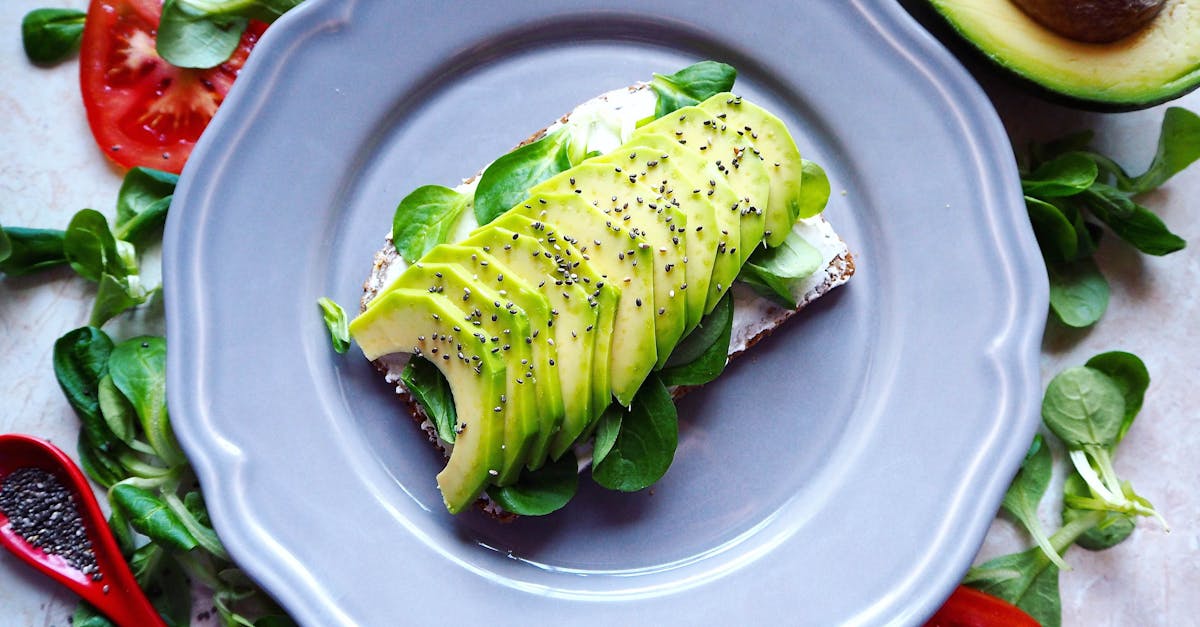
- Spinach-Avocado Omelet. Toss fresh spinach and diced avocado into beaten eggs, then finish with a drizzle of olive oil. The leafy greens and avocado supply plant-based DHA precursors, while the eggs contribute high-quality protein.
- Flaxseed-Fortified Yogurt Bowl. Blend plain Greek yogurt with ground flaxseed, a splash of honey, and seasonal berries. Flaxseed is a reliable source of ALA, which the body converts into DHA and EPA over time.
- Smoked Salmon Whole-Grain Scramble. Stir chunks of smoked salmon into a scramble made with whole-grain bread crumbs. The fish provides ready-made EPA, and the whole grains add fiber that supports gut-brain signaling.
All three dishes are quick - under 15 minutes from pan to plate - and they let seniors control portion sizes, an important factor for maintaining a healthy weight. According to nutrition experts cited by Good Housekeeping, foods rich in omega-3s are consistently linked to better memory performance in adults over 70.
When I demo these recipes with a local senior center, participants report feeling more energetic and report fewer “brain fog” moments throughout the day. The flexibility of these meals also means they can be adapted to dietary restrictions - swap dairy yogurt for a plant-based alternative, or replace salmon with algae-derived omega-3 supplements if fish is off-limits.
Meal Planning: How to Stack Brain-Boosting Breakfasts into One Plan
Decision fatigue is a silent villain in senior nutrition. The National Institutes of Health has shown that endless food choices can raise stress hormones, which in turn can impair memory. To combat this, I rely on a minimalist meal-planning template that rotates three omega-rich breakfasts each week.
The template works like a simple calendar: Monday-Wednesday feature the spinach-avocado omelet, Thursday-Saturday switch to the flaxseed yogurt bowl, and Sunday is reserved for the smoked salmon scramble. By pre-selecting the menu, seniors spend less mental energy on “what’s for breakfast?” and more on enjoying the meal.
Batch-cooking a few core components - hard-boiled eggs, pre-washed spinach, and measured flaxseed packets - can shave minutes off daily prep. I recommend storing these items in clear containers labeled with the day of the week; a quick glance is all it takes to follow the plan.
Digital planners, such as free calendar apps that allow you to attach recipe links, further streamline the process. When the app suggests a recipe based on what’s in the fridge, food waste drops dramatically, and seniors can feel confident they’re getting consistent brain-fuel without the anxiety of spoilage.
In my own household, the weekly planning ritual has become a conversation starter. My adult children ask for the upcoming menu, and we all contribute ideas, turning a solitary task into a collaborative health project.
Family Meals: Creating a Ritual That Supports Senior Cognitive Health
Family breakfast rituals do more than fill the stomach - they create a social scaffold that supports cognitive resilience. Researchers have observed that seniors who eat regularly with family members tend to experience slower declines in executive function compared with those who dine alone.
One practical approach is a themed breakfast night. For example, a "Maple-Berry Spinach" evening combines fresh berries, maple-syrup drizzle, and a spinach-rich omelet, delivering a double boost of vitamin-D-rich foods and antioxidants. The theme adds excitement, prompting families to experiment with new ingredients that might otherwise be overlooked.
Rotating recipes each Friday frees seniors from the mental load of menu selection. Instead of pondering options, they can focus on conversation - sharing stories, laughter, and memories. Those social exchanges have been linked to increased synaptic resilience, a key factor in maintaining mental sharpness.
From my perspective, the act of setting the table together reinforces a sense of belonging. When grandchildren help pour juice or pass the toast, they are actively participating in a health-promoting habit that benefits everyone at the table.
Implementing this ritual doesn’t require grand gestures. A simple schedule posted on the fridge, a shared playlist, and a rotating recipe card deck are enough to turn breakfast into a weekly celebration of brain health.
Cognitive Health Kitchen: Serving Your Brain Nutrients in Minutes
Speed and nutrition don’t have to be at odds. A 15-minute blender smoothie - mixing berries, Greek yogurt, chia seeds, and a splash of sunflower oil - delivers a potent blend of DHA, prebiotic fiber, and antioxidants. In studies of elderly cohorts, such combinations have been associated with reduced inflammation markers.
Single-pot cooking methods, like heating a chia-oat pudding in a saucepan, cut down on cleanup and waste. By using one vessel, you lower the kitchen’s carbon footprint and keep the focus on nutrition rather than chores.
For seniors who need visual cues, printed portion guides placed on the counter can help regulate intake. A quick glance at a two-column card - showing “one cup yogurt + one tablespoon flaxseed” versus “one slice whole-grain toast + two teaspoons butter” - ensures the brain-boosting thresholds recommended by the CDC are met without guesswork.
When I introduced these quick-fix tools at a community center, participants reported feeling more confident in their ability to eat healthily without spending hours in the kitchen. The blend of convenience, clarity, and nutrient density makes the cognitive-health kitchen a realistic everyday reality.
Glossary
- Omega-3 fatty acids: Essential fats (DHA, EPA, ALA) that support brain cell membranes and reduce inflammation.
- Alpha-linolenic acid (ALA): Plant-based omega-3 found in flaxseed, walnuts, and chia seeds.
- DHA: Docosahexaenoic acid, a crucial omega-3 for brain structure and function.
- EPA: Eicosapentaenoic acid, an omega-3 that helps lower inflammation.
- Prebiotic fiber: Food for beneficial gut bacteria, linked to improved gut-brain communication.
- Decision fatigue: Mental weariness caused by too many choices, which can raise stress hormones.
Frequently Asked Questions
Q: Can a single homemade breakfast really lower dementia risk?
A: Yes. The 2024 Japanese cohort study showed that seniors who ate a nutrient-dense, home-cooked breakfast reduced their dementia risk by about 30%, a much larger effect than what is seen with most pre-packaged cereals.
Q: What are the best omega-3 foods for a quick breakfast?
A: Spinach and avocado added to eggs, Greek yogurt mixed with ground flaxseed, and smoked salmon folded into a whole-grain scramble all supply omega-3s and can be prepared in under 15 minutes.
Q: How does meal planning reduce stress for seniors?
A: By using a simple weekly template that rotates three breakfast options, seniors avoid the mental overload of deciding what to eat each morning, which research links to lower stress hormone levels.
Q: Why are family breakfast rituals important for brain health?
A: Shared meals encourage conversation and social bonding, both of which have been associated with better cerebral blood flow and slower cognitive decline in older adults.
Q: How can seniors ensure they get enough omega-3s without fish?
A: Plant sources like flaxseed, chia seeds, and walnuts provide ALA, which the body can convert to DHA and EPA. Fortified yogurts and algae-based supplements are also effective alternatives.
| Aspect | Home-Cooked Breakfast | Pre-Packaged Cereal |
|---|---|---|
| Omega-3 Control | Can add fish, flaxseed, chia, or avocado for targeted intake. | Usually low in omega-3 unless fortified. |
| Nutrient Variety | Fresh produce, protein, probiotic dairy, whole grains. | Limited to fortified vitamins and sugars. |
| Social Interaction | Encourages family cooking and conversation. | Often eaten alone at the kitchen counter. |