Food Waste Reduction - Why Home Cooks Fail
— 5 min read

Food Waste Reduction - Why Home Cooks Fail
Home cooks often struggle to cut food waste because they over-buy, mis-store, and lack a clear plan, leading to spoiled ingredients and higher bills.
Did you know 30% of grocery spend is wasted each year? This plan cuts your waste - and your bill - by more than half while still feeding your family happy and healthy.
30% of the money spent on groceries ends up in the trash, according to various waste studies.
Why Home Cooks Fail at Reducing Food Waste
Key Takeaways
- Over-buying is the biggest waste driver.
- Improper storage kills fresh produce fast.
- Meal planning saves time and money.
- Repurposing leftovers reduces trash.
- Smart tools keep you accountable.
In my experience, the first mistake most home cooks make is treating the grocery store like a buffet. You walk in with a cart full of items you think you’ll need, but you’re really just filling space. It’s like packing a suitcase for a weekend trip and bringing everything you own - you’ll end up unpacking a lot of junk that never gets used.
Second, many people store food incorrectly. A ripe banana left on the counter will turn black in days, while a carrot tucked in a damp drawer stays crisp for weeks. Think of your fridge as a locker: each item needs its own shelf and a specific climate, just like a shoe rack separates sneakers from boots.
Third, lack of a meal plan creates chaos. Without a plan, you might cook a big pot of spaghetti on Monday, then find half the sauce still sitting in the fridge on Thursday, turning mushy and eventually inedible. Meal planning is the culinary equivalent of a grocery list for a road trip - you know exactly what you need and when you’ll need it.
Another hidden culprit is the “creative” mindset. While improvisation can be fun, it often leads to mismatched flavors and half-cooked ideas that you discard. For example, a recent SNL parody skit highlighted absurd product combos - just because you can mash twigs, corn, and moldy grapes doesn’t mean you should eat them. The same principle applies in the kitchen: not every leftover belongs together.
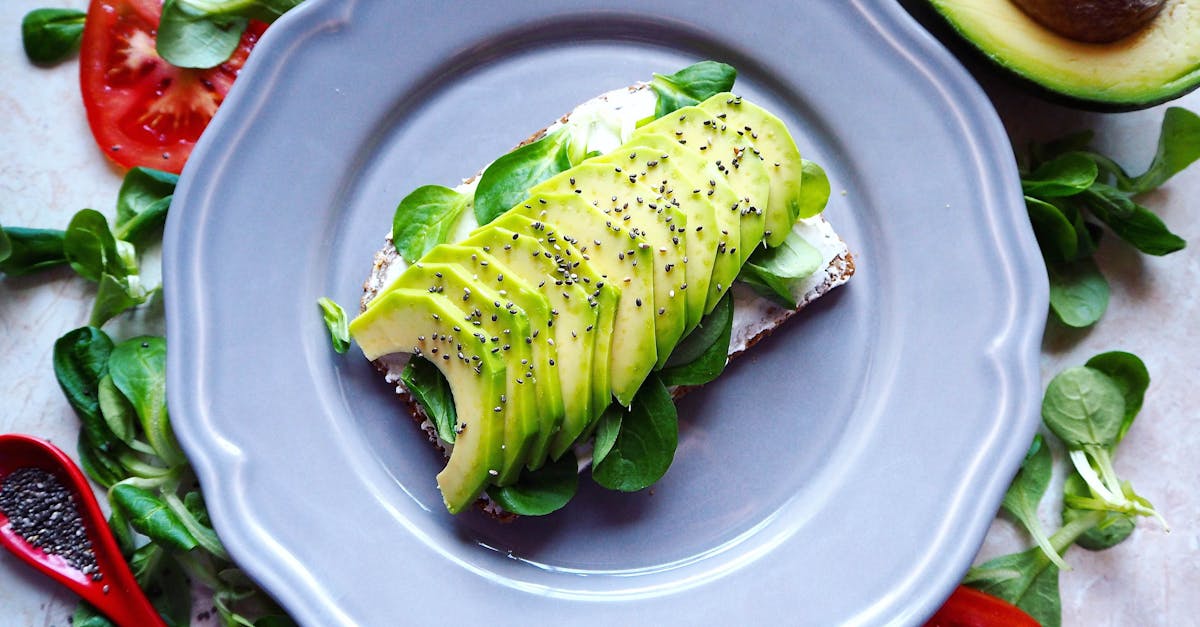
Finally, emotional buying drives waste. Seeing a sale on avocados can trigger a purchase impulse, even if you already have a perfect batch at home. It’s similar to buying extra shoes because they’re on discount - only to wear the new pair once and store the rest.
When I consulted with families looking to trim waste, these patterns repeated. The solution is not a magic gadget; it’s a systematic approach that combines buying smarter, storing smarter, and cooking smarter.
Simple Strategies to Slash Waste and Save Money
First, adopt a strict shopping list. Before you head to the store, scan your fridge and pantry, then write down only what you truly need for the upcoming meals. I keep a notebook on the fridge door and cross off items as I use them - this visual cue prevents double-buying.
Second, master the art of proper storage. Here’s a quick cheat-sheet:
- Leafy greens: Wrap in a paper towel and store in a breathable bag.
- Root vegetables: Keep in a cool, dark drawer with a bit of humidity.
- Herbs: Treat like flowers - trim stems and place in water, then cover loosely.
Third, implement a “first-in, first-out” system. When you bring new groceries home, move older items to the front of the shelf. It’s the same idea as a rotating pantry at a restaurant, ensuring nothing sits too long.
Fourth, plan for leftovers. Cook extra grains or beans on Sunday, then use them in tacos, salads, or soups later in the week. I like to freeze half of a big batch of tomato sauce in portion-size bags - when a quick dinner is needed, I just defrost a bag and have sauce ready.
Fifth, use a budget-friendly, vegan-focused 7-day meal plan. A recent dietitian-approved plan offers five-ingredient dinners that are cheap, nutritious, and waste-light. By limiting ingredients, you reduce the chance of excess that spoils. (Source: dietitian-reviewed plan)
Sixth, consider meal-kit services that emphasize portion control. According to Taste of Home, many top-rated kits now offer “waste-free” options that match household sizes, reducing leftover ingredients. CNET’s 2026 review also notes that kits with reusable containers cut packaging waste dramatically. NBC News adds that the best services provide weekly shopping lists, further preventing over-purchase.
Lastly, practice “ingredient hygiene.” If you notice a fruit is bruised, cut off the damaged part and use the rest immediately. A moldy grape, for instance, can be salvaged by removing the spoiled area - though sometimes it’s best to toss it to avoid spreading mold.
Tools and Resources for Ongoing Success
Technology can be a great ally. I use a free phone app that tracks pantry inventory; you scan barcodes when you store items, and the app sends alerts when something nears its expiration date. It’s like having a personal pantry assistant.
Another handy tool is a set of clear, labeled containers. When you can see what’s inside, you’re less likely to forget about it. I label each container with the purchase date - this visual cue works like a calendar reminder.
For families, a weekly family board works wonders. We write the upcoming meals on a whiteboard, assign cooking duties, and check off items as they’re used. It turns meal planning into a collaborative game, reducing the “I forgot” moments that lead to waste.
Don’t forget the power of community. Local food co-ops often host “ingredient swap” events where neighbors trade surplus produce. I’ve exchanged home-grown tomatoes for excess herbs, turning potential waste into fresh meals.
Finally, keep a “Common Mistakes” box on your kitchen counter. Write down frequent slip-ups - like buying too many bananas or forgetting to reseal opened packages. When you see the list, it reminds you to correct the habit.
Glossary
- Meal planning: Deciding in advance what you’ll eat for a set period, usually a week.
- Portion control: Preparing or buying the right amount of food to avoid leftovers that go bad.
- First-in, first-out (FIFO): A storage method where older items are placed in front so they are used before newer ones.
- One-pot meal: A dish cooked entirely in a single pot or pan, reducing dishes and waste.
- Food waste: Edible food that is discarded, thrown away, or left to spoil.
Common Mistakes
- Buying in bulk without a plan.
- Storing produce in the wrong spot.
- Ignoring expiration dates.
- Cooking too much and not repurposing leftovers.
Frequently Asked Questions
Q: How much can I realistically cut from my grocery bill?
A: Most families see a 20-40% reduction by following a simple meal plan, buying only what they need, and using leftovers. The exact amount varies, but the savings add up quickly.
Q: Are vegan meals more expensive?
A: Not necessarily. Plant-based proteins like beans and lentils are often cheaper than meat. When you pair them with seasonal vegetables and batch-cook, the cost can drop below a typical meat-based dinner.
Q: Which meal-kit services are best for reducing waste?
A: According to Taste of Home and CNET, services that offer exact-portion kits, reusable containers, and flexible weekly plans tend to generate the least waste. Look for options that let you skip meals you won’t use.
Q: How do I store fresh herbs so they last longer?
A: Treat herbs like flowers - trim the stems, place them in a jar with water, and loosely cover with a plastic bag. Store them in the fridge and they can stay fresh for up to two weeks.
Q: What’s a quick way to repurpose leftover vegetables?
A: Toss them into a stir-fry, blend into a soup, or mix with eggs for a veggie frittata. Even wilted greens can be blended into smoothies for added nutrition.