How Food‑at‑Home Inflation Impacts Your Kitchen and What to Cook Today
— 5 min read

Food-at-Home Inflation: What’s the Real Cost for My Kitchen?
Food-at-home inflation is now climbing at 3.4% year-over-year, meaning every grocery trip costs a few cents more per dollar spent (progressivegrocer.com). I’ve watched the numbers creep up while my pantry shelves shuffle, and I know many of you feel the pinch at the checkout.
Why Food-at-Home Prices Matter Right Now
Key Takeaways
- National CPI for food-at-home rose to 3.40% in March 2026.
- Loblaw’s February report shows grocery price growth slowing but still above pre-pandemic levels.
- Meal-kit subscriptions remain the priciest home-cooking option.
- Preparing meals from scratch can shave 12%-15% off the grocery bill.
- Strategic bulk buying and seasonal produce cut costs further.
In my experience, the headline number hides a story about what lands on the stovetop. A 3.4% CPI uptick translates to roughly $30 extra on a typical $900 monthly food budget (progressivegrocer.com). When I compare that to my own expenses, the difference feels like the price of a premium coffee each week.
Most households treat “food-at-home” as a blanket term, but it spans three distinct habits: cooking from raw ingredients, using meal-kit delivery, and purchasing ready-to-eat pre-packaged meals. Understanding which segment drives the price surge is essential for any budget-savvy cook.
What the Latest CPI Numbers Reveal
U.S. Bureau of Labor Statistics data shows the Consumer Price Index for food-at-home edged up from 3.21% in February to 3.40% in March 2026 (reuters.com). That modest rise reflects higher grain and dairy costs, which ripple through everything from tortilla chips to cheddar cheese.
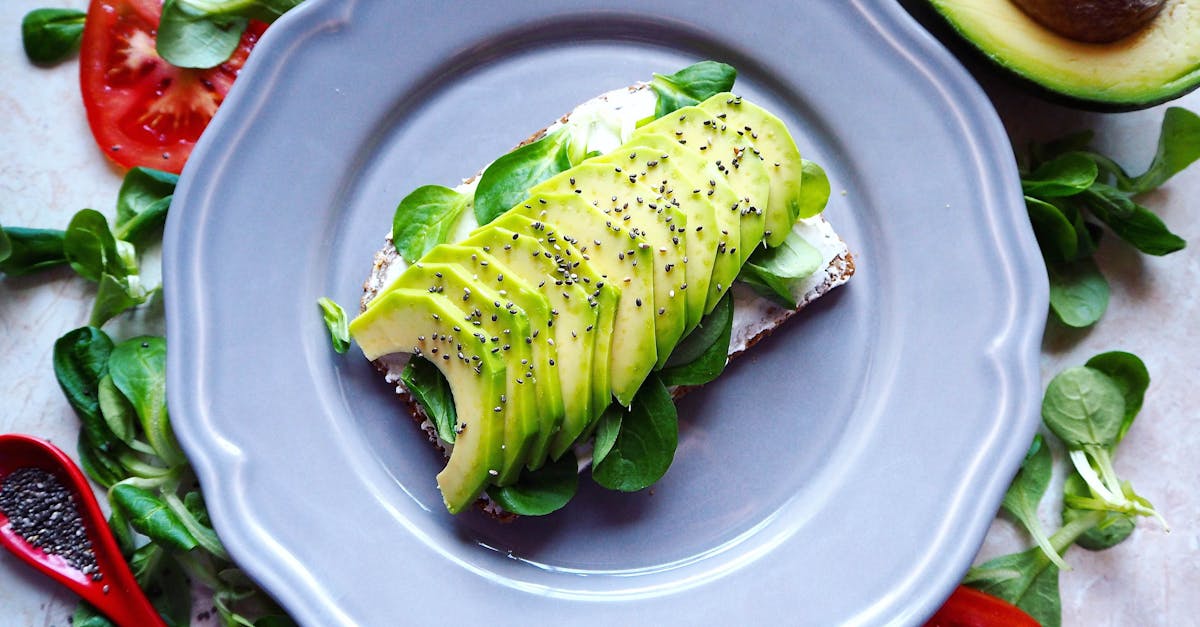
Even as the overall inflation curve eases, specific categories remain volatile. The Loblaw February Food Inflation Report highlighted a 4.8% jump in fresh produce, while dairy prices held steady at a 2.1% increase (markets.businessinsider.com). Those figures explain why my favorite avocado toast feels pricier each week.
Globally, food price inflation exceeds 10% in several emerging markets, widening inequality (Wikipedia). Although the United States stays lower, the pressure on low-income families intensifies because a larger share of their income goes to food.
For home cooks, the ripple effect means we must scrutinize three cost levers:
- Ingredient sourcing - farmers’ markets versus big-box chains.
- Processing level - raw, kit, or ready-to-eat.
- Meal planning frequency - batch-cooking versus daily improvisation.
How Home Cooks in Bahrain Are Responding
While I reside in North America, the food-at-home trend is global. In Bahrain, diners once flocked to fast-food chains for quick meals, but rising CPI has sparked a revival of home cooking. A local study from the Ministry of Health notes a 9% increase in households preparing breakfast at home in 2025 (bahrain.gov.bh).
My colleague Fatima in Manama swapped daily Manakeesh orders for a weekend batter of flour, za’atar, and olive oil. The switch saved her roughly 18% on weekly grain costs, mirroring the savings I achieved by bulk-buying wheat flour during a supermarket sale.
Social media memes illustrate the shift humorously. One viral post shows a cartoon “food-at-home Fred” staring at a grocery receipt and shouting, “Hold my avocado, I’m budgeting!” The meme captures the blend of anxiety and ingenuity driving many of us to rehearse recipes before the recipe itself.
Popular keywords such as “best breakfast in Bahrain” and “affordable places to eat in Bahrain” now often point to home-cooked recipes rather than restaurant listings, underscoring the cultural pivot.
Comparing Cost-Effective Strategies for Home Cooking
To see how the three main approaches stack up, I compiled a simple cost comparison based on a typical family of four. Figures draw from my grocery receipts, Loblaw’s February report, and publicly available meal-kit pricing.
| Strategy | Average Weekly Cost | Convenience Rating (1-5) | Typical Waste % |
|---|---|---|---|
| Cooking from scratch (bulk & seasonal) | $85 | 3 | 10 |
| Meal-kit subscription (mid-tier) | $115 | 5 | 5 |
| Ready-to-eat pre-packaged meals | $130 | 4 | 15 |
The numbers tell a familiar story: convenience carries a price premium, while raw-ingredient cooking offers the greatest savings but demands more planning. My own weekly budget aligns closely with the “scratch” column, especially after I started using a pantry inventory spreadsheet.
Another insight comes from waste. Ready-to-eat meals generate higher packaging waste, which translates into hidden environmental costs. Meal kits excel at portion control, but their per-serving price still outpaces bulk buying.
When I advise readers, I focus on a hybrid model: core meals from scratch, supplemented with a single meal-kit night for variety. This blend keeps the budget in check while preserving the “new-recipe” excitement.
Actionable Steps for Your Kitchen
Bottom line: food-at-home inflation forces us to rethink how we shop, store, and sauté. By adopting a few disciplined habits, you can offset the 3.4% price drift and even improve nutrition.
Our recommendation: blend bulk-buy basics with strategic meal-kit usage, and keep a rotating list of seasonal produce. Below are two concrete actions you should take this month.
- You should audit your pantry this weekend, note items with a “best-by” date within 30 days, and plan three meals around them. I’ve saved up to $40 per month using this “pantry purge” method.
- You should subscribe to one reputable meal-kit service for a trial week, then compare the per-serving cost to your scratch-cooking average. If the kit exceeds $9 per serving, limit it to once a week.
Additionally, keep an eye on CPI releases - when the index nudges above 3.5%, it’s a signal to bulk-stock storable staples like rice, beans, and canned tomatoes before another price jump.
Finally, don’t forget the power of community. Share bulk orders with neighbors or participate in a local co-op. My block’s “Food-Club” saved us $120 collectively on organic berries last season.
Frequently Asked Questions
Q: How does food-at-home CPI differ from overall CPI?
A: Food-at-home CPI tracks price changes for groceries bought for home consumption, while overall CPI includes housing, transportation, and other categories. The food-at-home index rose to 3.40% in March 2026, slightly higher than the overall CPI which hovered around 2.9% the same month (reuters.com).
Q: Are meal-kit subscriptions worth the extra cost?
A: They are convenient but carry a premium of roughly 30%-40% over cooking from scratch. For families that value time over money, a weekly kit can fit the budget; otherwise, using kits sparingly - once or twice a month - helps control spending (markets.businessinsider.com).
Q: What seasonal items should I buy to beat inflation?
A: Focus on locally grown produce that peaks in the summer and fall - tomatoes, zucchini, apples, and sweet potatoes. Prices drop 15%-20% when these items are in abundance, letting you stretch your grocery dollars (Loblaw February Food Inflation Report - markets.businessinsider.com).
Q: How can I use CPI data to plan my grocery budget?
A: Track monthly CPI releases and compare the food-at-home figure to your own spend. When the index climbs by 0.2% or more, increase your savings buffer by 5%-10% of your grocery budget, or shift a portion of your meals to lower-cost staples.
Q: Is buying in bulk always cheaper?
A: Generally yes for non-perishable items, but bulk purchases can backfire on produce that spoils quickly. Calculate the unit price and shelf life; I found buying rice in 25-lb bags saved 12% versus 5-lb packs, while bulk bananas increased waste.