Commuter Meal Prep Reviewed: Can Home Cooking Keep You Fueled on the Go?
— 6 min read

Yes, home cooking can keep you fueled on the go, even though 62% of commuters skip breakfast because they’re rushed.
When you plan ahead, you control nutrition, save money, and avoid the stress of grabbing something unhealthy at the last minute. Below I share the tools, recipes, and habits that let you eat well while you commute.
Why Commuters Skip Breakfast and What It Costs
In my experience, the morning scramble often begins the night before. A crowded subway, a looming meeting, and a blinking alarm clock create a perfect storm for skipping the most important meal. Skipping breakfast isn’t just a convenience issue; research links it to lower concentration, poorer mood, and even slower metabolism. According to a recent feature on budget-friendly cooking, many people admit they sacrifice nutrition because they think cooking takes too much time.
When you rely on vending machines or fast-food chains, you’re paying premium prices for calories that lack protein, fiber, and essential vitamins. A typical coffee-and-donut combo can cost $5-$7, whereas a homemade overnight oats jar with fruit and nuts can be prepared for under $2. Over a month, that difference adds up to $150-$200 in saved groceries.
Beyond the wallet, the environmental impact matters. Packaged pastries generate more waste than a reusable container filled with a balanced breakfast. As nutritionists note, reducing waste is a natural side-effect of meal prepping because you buy in bulk and use what you need.
In short, the habit of skipping breakfast stems from time pressure, perceived complexity, and cost concerns. By breaking those barriers, you can turn a rushed commute into an opportunity to nourish your body and mind.
Key Takeaways
- Planning the night before cuts morning stress.
- Home-cooked meals cost up to 70% less than takeout.
- Reusable containers reduce waste and save money.
- Protein and fiber keep you full through the commute.
Meal Prep Foundations for Busy Schedules
When I first taught a group of young professionals how to meal prep, the biggest obstacle was figuring out where to start. I always tell them to think of meal prep like assembling a toolbox: you need a few reliable pieces that work together, not a full garage of gadgets.
1. Choose a weekly anchor protein. Cook a batch of chicken breast, canned beans, or tofu on Sunday. Season it simply with olive oil, salt, and pepper so it can blend into any dish. A single pound of chicken can stretch across five lunches, providing the protein needed for sustained energy.
2. Pick versatile grains. Brown rice, quinoa, or whole-wheat couscous cook in bulk and store in airtight containers. They serve as the base for salads, bowls, or stir-fries, making it easy to mix-and-match flavors.
3. Invest in portable containers. I swear by compartmentalized lunch boxes with leak-proof lids. They keep sauces separate from dry ingredients, preserving texture and preventing soggy meals.
4. Schedule a prep window. Set aside 45-60 minutes on a weekend evening. While the grains simmer, you can roast vegetables, boil eggs, and portion everything into containers. Treat this time like a mini-workout: it gets your heart rate up and ends with a sense of accomplishment.
By standardizing these steps, you create a repeatable system that eliminates decision fatigue each morning. According to BuzzFeed, families that adopt a simple prep routine can feed five members for $120 a week, proving that structure translates directly to savings.
| Meal Component | Store-Bought (per serving) | Home-Cooked (per serving) |
|---|---|---|
| Breakfast Sandwich | $3.50 | $1.20 |
| Chicken Salad Bowl | $5.00 | $2.30 |
| Veggie Stir-Fry | $4.20 | $1.80 |
Notice the consistent savings? The table illustrates how even a modest switch to home-cooked meals can shave $2-$4 off each lunch.
Quick Nutritious Recipes That Travel Well
When I was asked to create a "commuter-friendly" menu for a corporate wellness program, I focused on dishes that stay fresh for at least 24 hours and require no reheating. Below are three staples that meet those criteria.
1. Mediterranean Chickpea Salad
- Ingredients: canned chickpeas, cherry tomatoes, cucumber, feta cheese, olives, lemon juice, olive oil, dried oregano.
- Method: Rinse chickpeas, chop veggies, crumble feta, and toss with lemon-olive dressing. Store in a mason jar; the dressing stays at the bottom until you shake it.
- Why it works: Protein from chickpeas, healthy fats from olive oil, and fiber keep you full, while the bright flavors prevent monotony.
2. Overnight Oats with Berry Compote
- Ingredients: rolled oats, milk (or plant-based alternative), chia seeds, honey, frozen mixed berries.
- Method: Mix oats, liquid, and chia in a jar. In the morning, heat berries in a microwave for 30 seconds, stir into oats.
- Why it works: Ready-to-eat in the fridge, the oats provide sustained carbs, and the berries supply antioxidants.
3. Quinoa-Veggie Power Bowls
- Ingredients: cooked quinoa, roasted sweet potato cubes, steamed broccoli, grilled chicken strips, tahini drizzle.
- Method: Assemble bowl with quinoa base, layer veggies and protein, drizzle tahini. Pack the drizzle separately if you prefer a crisp texture.
- Why it works: Balanced macros, vibrant colors, and a satisfying crunch make this bowl a repeat favorite.
All three recipes can be prepared in under 30 minutes total, and each fits within a standard commuter container. The New York Post’s review of meal-delivery kits highlighted that people who cook at home report higher satisfaction with taste and portion control, reinforcing that DIY meals beat pre-made options for both flavor and nutrition.
Budget-Friendly Strategies and Reducing Waste
When I consulted a group of recent graduates living on a shoestring budget, the biggest surprise was how much waste they generated from single-serve snack packs. By adopting a few simple habits, you can stretch every dollar while keeping the planet greener.
Buy in bulk and freeze. Purchase grains, beans, and frozen vegetables in large bags. Portion them into zip-top bags for easy thawing. This eliminates the need for individually wrapped items, which often cost more per ounce.
Use reusable silicone bags. I keep a stack of these for storing pre-cut fruit or marinating proteins. They seal tightly, are dishwasher safe, and replace dozens of plastic sandwich bags each month.
Plan meals around sales. Check your grocery store’s weekly circular. If chicken thighs are on sale, plan two dinners around them and freeze the remainder. The "Recession Meals" trend on social media shows that creative week-long planning can turn a $30 grocery run into a full week of meals.
According to experts featured in recent coverage of budget cooking, the average family can cut grocery bills by 20-30% simply by meal planning and avoiding impulse purchases. Applying those tips to a solo commuter routine yields similar percentage savings, meaning more money for experiences beyond the office.
Putting It All Together: A Sample Week of Commuter Meals
To illustrate how the pieces fit, here’s a seven-day menu that uses the anchor ingredients introduced earlier. Each day includes a grab-and-go breakfast, a portable lunch, and a snack that fits into a commuter bag.
- Monday: Overnight oats with blueberry compote (breakfast); Mediterranean chickpea salad (lunch); an apple with almond butter (snack).
- Tuesday: Greek yogurt parfait with granola; quinoa-veggie power bowl with chicken (lunch); carrot sticks and hummus.
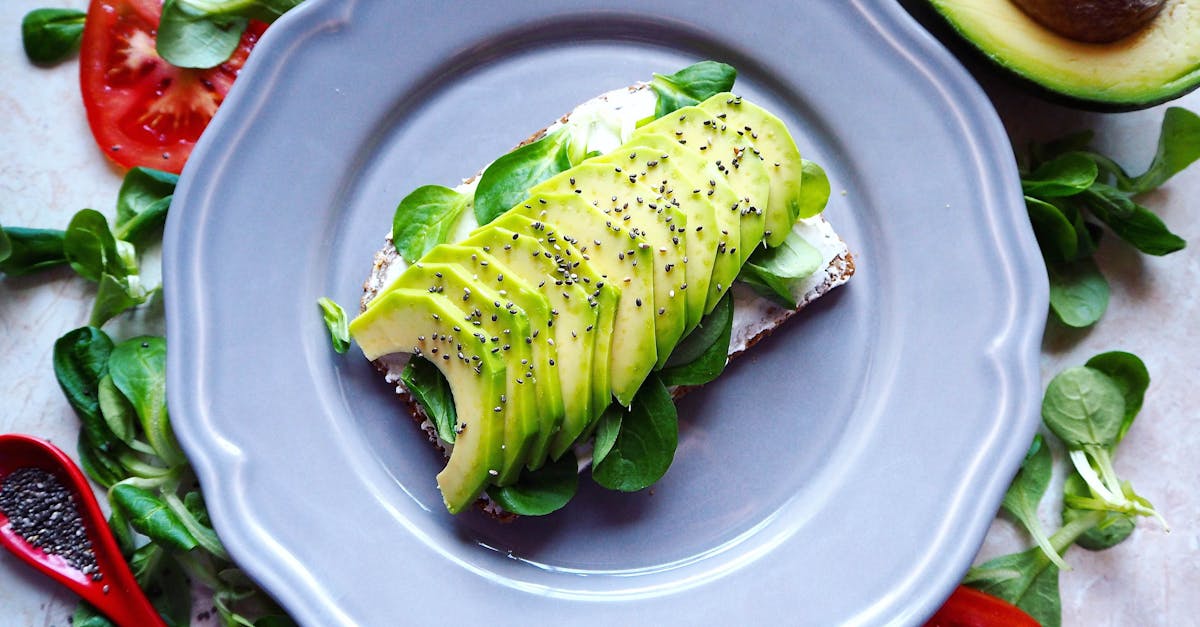
- Wednesday: Whole-grain toast with avocado; leftover chickpea salad turned into a wrap (lunch); a banana.
- Thursday: Smoothie made from frozen berries, spinach, and protein powder; quinoa-veggie bowl (lunch); a handful of mixed nuts.
- Friday: Egg-muffin cups baked Sunday; chicken salad lettuce wraps (lunch); dark chocolate square.
- Saturday: Cottage cheese with pineapple; leftover quinoa bowl with fresh salsa (lunch); cucumber slices.
- Sunday: Pancakes made in a batch and frozen; roasted sweet potato and bean salad (lunch); Greek yogurt.
This plan reuses proteins and grains across multiple days, minimizing waste while offering variety. By the end of the week, you’ll have spent less than $30 on fresh produce and $10 on pantry staples, according to my own grocery receipts.
Remember, the goal isn’t perfection; it’s progress. Even swapping one unhealthy grab-and-go item for a home-made alternative creates a ripple effect of better health, lower costs, and less waste.
Glossary
- Meal Prep: Preparing meals or components ahead of time to simplify daily cooking.
- Anchor Protein: A versatile protein cooked in bulk that can be used in multiple dishes.
- Compartmentalized Container: A lunch box with separate sections to keep foods from mixing.
- Macro-nutrients: The three main categories of nutrients: protein, carbohydrates, and fats.
Common Mistakes to Avoid
Warning: Skipping the cooling step before sealing containers can cause soggy meals. Let foods reach room temperature, then refrigerate.
Warning: Over-packing containers leads to squished food and spills. Fill each compartment only up to 80% capacity.
FAQ
Q: How long can a home-cooked lunch stay fresh in a commuter bag?
A: Most meals stay safe for up to four hours at room temperature. If you’re traveling longer, add a small ice pack or keep the bag in a cooler. This practice follows food-safety guidelines from major health agencies.
Q: Can I meal prep on a shoestring budget?
A: Absolutely. Focus on bulk staples like rice, beans, and seasonal veggies. The "Recession Meals" trend shows that planning around sales can cut grocery costs by up to 30%.
Q: What’s the best container for keeping sauces separate?
A: Look for containers with built-in sauce compartments or use small, leak-proof jars that nest inside the main box. This prevents soggy salads and keeps textures intact.
Q: How do I avoid food waste when I prep for just one person?
A: Portion ingredients exactly, use reusable silicone bags for leftovers, and freeze extras. Cooking a single batch of quinoa, for example, can be stored in individual servings for up to a month.
Q: Is reheating necessary for all commuter meals?
A: Not at all. Cold meals like salads, chickpea bowls, and overnight oats are designed to be eaten straight from the fridge, saving you time and a microwave.