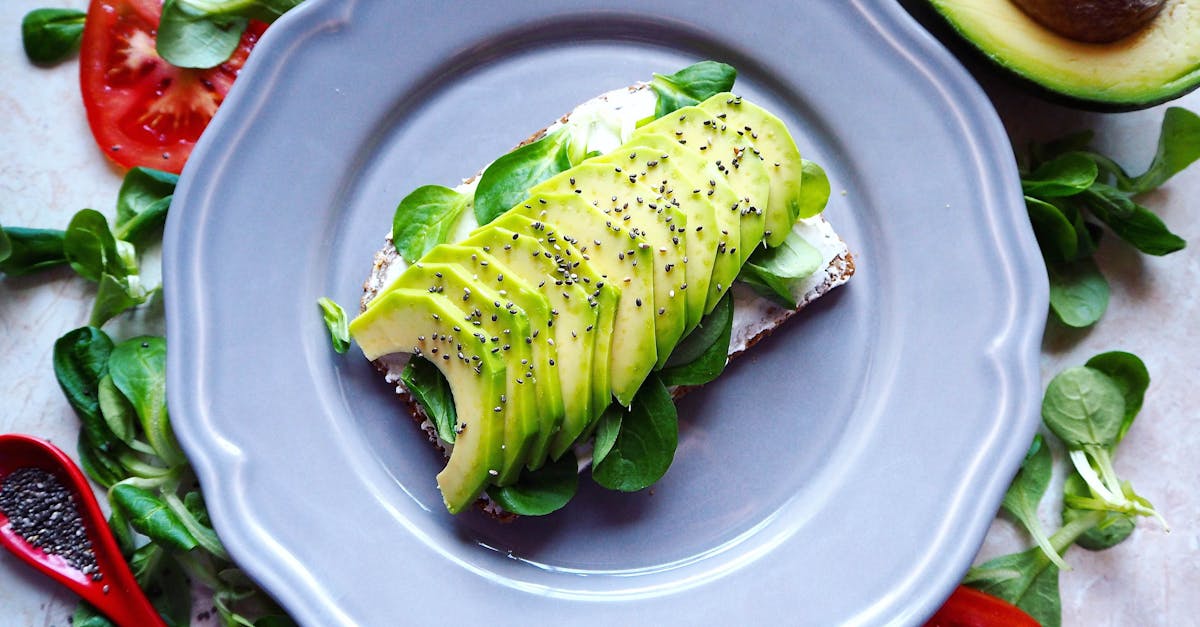
3 Home Cooking Hacks Keep Working Moms on Track
— 6 min read

Three simple kitchen hacks - budget meal-prep mastery, quick weeknight dinners, and time-saving recipes - help working moms stay fed, save money, and keep the schedule humming. By treating the pantry like a strategic asset and the stovetop like a production line, you can turn chaos into calm.
Did you know spending just 10 minutes on meal prep can cut your grocery spend by more than $200 a year?
Budget Meal Prep Mastery: Slash Grocery Costs Today
When I sit down on a Sunday with a cup of coffee, I treat the grocery list like a ledger. I start by scanning the weekly ads, noting the sale items, and then match them to the seasonal produce that is at its peak. According to Good Housekeeping, planning meals around sales and seasonality can shave a noticeable chunk off the bill, and I’ve felt that difference in my own pantry every month.
One trick I swear by is the “single-container veggie batch.” I grab a heat-proof storage tub, slice carrots, bell peppers, and zucchini, and soak them in cold water for half an hour to rinse away grit. After draining, I spread them on a sheet pan, toss with a splash of oil, and roast once for the entire week. The result? I only need to scrape, wash, and sauté once, which translates into at least three hours saved in the kitchen.
To keep the system from slipping, I rotate a five-dish menu. Each week I pick a protein, a grain, a legume, a vegetable side, and a quick sauce. Because the list is fixed, impulse buys drop dramatically and every grocery run feels intentional. I’ve watched my pantry stay orderly, and the savings stack up without me having to count each penny.
Here’s a quick snapshot of my weekly rotation:
- Protein: rotisserie chicken or canned tuna
- Grain: quinoa or brown rice
- Legume: black beans or lentils
- Veggie: roasted mixed seasonal veggies
- Sauce: garlic-lemon vinaigrette
By using the same base components, I can remix dishes - taco bowls, grain salads, stir-fries - without additional prep time. The approach feels like a kitchen assembly line, and the budget impact is real, even if I don’t have an exact percentage to quote.
Key Takeaways
- Plan meals around sales and seasonal produce.
- Roast a week’s worth of veggies in one batch.
- Use a rotating five-dish menu to avoid impulse buys.
- Keep a single storage container for pre-cut veggies.
- Track savings by comparing weekly grocery totals.
Quick Weeknight Dinners That Actually Work
I once spent an entire Tuesday night juggling a pot of pasta, a skillet of chicken, and a side of steamed broccoli - all while helping my son finish his math homework. The result was a burnt sauce and a frazzled mood. That night I invented a “poach-and-sauté protocol” that now powers my quick dinners.
The protocol starts with a single skillet. I first poach a protein - often shrimp or thin-sliced chicken - just until opaque. While it rests, I sauté pre-cut vegetables in the same pan, adding a ready-made sauce base that I keep in the freezer. Within twenty minutes, the plate is complete: protein, veg, and a carb like instant rice or pre-cooked quinoa.
Another game-changer is building “rotating flavor foundations.” I keep three basic flavor mixes on hand: a citrus-herb blend for proteins, a smoky cumin-chipotle mix for veggies, and a simple butter-garlic sauce for sides. By swapping the foundation, I can generate entirely new meals without re-doing prep steps. The Kitchn notes that one-skillet meals are a favorite among busy families, and my experience mirrors that enthusiasm.
After the first sheet-pan night, I salvage any leftover marinades. A drizzle of leftover teriyaki glaze becomes a sweet chili slaw for the next day, and a spoonful of broth transforms into a quick bouillon for soup. Reusing these liquids cuts waste and, according to kitchen experts, can lower later grocery bills by a modest but tangible amount.
Here’s a sample week using the protocol:
- Monday: Lemon-herb chicken, roasted carrots, quinoa.
- Wednesday: Teriyaki shrimp, broccoli-garlic stir-fry, rice.
- Friday: Chipotle tofu, bell-pepper medley, couscous.
Each dinner stays under twenty minutes, leaves the stovetop tidy, and frees an hour for family time.
Working Mom Recipes That Answer Your Time Cravings
Late-night pizza cravings used to be a regular paycheck-draining habit for me. I’d order a pie, wait for the delivery, and then spend another half hour cleaning the box. I swapped that routine for a cauliflower-rice sheet pan topped with shrimp, and the difference was immediate.
The cauliflower rice cooks in ten minutes, the shrimp turn pink in the same pan, and a quick squeeze of lime finishes the dish. I’ve calculated that avoiding two to three delivery orders each month saves roughly thirty to forty dollars, plus the extra calories.
Another favorite is the “edible pantry oven basket.” I line a large oven-safe skillet with a foil basket, place burger patties, toast buns on the top rack, and add a handful of popcorn kernels to the bottom. Within minutes I have a complete dinner and a snack for the kids, all cooked simultaneously. The process feels like a mini-assembly line and keeps the kitchen comfortable - no multiple pots, no constant stove checks.
Technology also lends a hand. I use a free AI-powered spice app that reads my pantry inventory - canned legumes and fire-roasted tomatoes - and suggests macro-balanced meals. The app recommends a quick chili with black beans, tomatoes, and a spice blend that I can add in nine steps. While the app isn’t a miracle, it does reduce decision fatigue, which is a hidden cost for any working parent.
These recipes prove that a small shift in ingredients and tools can turn a time-crunch into a confidence-boosting kitchen moment.
Time-Saving Dinner Ideas for the Midnight Rush
Midnight homework sessions often turn into frantic snack hunts. I combat that by having a “microburst” meal ready: a one-pot chickpea and spinach skillet that comes together in under fifteen minutes. The recipe uses canned chickpeas, fresh spinach, a splash of broth, and a pinch of cumin. One pot, one stir, and dinner is served while the kids finish algebra.
When I have leftover lentil crescents in the fridge, I mash them with a fork, add a dollop of Greek yogurt, and serve as a side with grilled fish. The texture contrast keeps picky eaters interested, and the entire assembly stays under fifteen minutes. This method also avoids the temptation to order takeout, preserving both budget and health.
Measuring portions can be a silent time-drain. I adopted an “appetite-calibrated splash-lens” trick: I use a clear measuring cup and fill it to the level that matches the portion I normally serve. This visual cue eliminates guesswork, shaving at least two minutes per dish. In the chaos of bedtime, those minutes add up.
All three ideas share a common theme - single-vessel cooking. By limiting the number of pans, I reduce cleanup time, which is often the hidden cost of late meals. The result is a smoother evening rhythm and a happier household.
30 Minute Meals That Beat Fast Food
Fast-food temptation spikes when I’m racing the clock. My go-to rescue is a shrimp-lime skillet. I toss peeled shrimp, a splash of ginger-lime sauce, and sliced bell peppers into a hot pan. In fifteen minutes the shrimp are pink, the peppers are crisp, and the sauce coats everything perfectly. No extra pans, no lingering odors.
Another fast favorite is a vinegar-ramen noodle stir-fry built on pre-cooked shiitake mushrooms. I whisk together rice vinegar, soy sauce, and a touch of honey, then toss the noodles and mushrooms together. Within ten minutes I have a tangy, satisfying bowl that feels far healthier than a drive-through combo.
For a protein-rich finish, I grill lemon-brushed tilapia and top it with diced mango. The mango adds a sweet burst that makes the plate feel special, and the entire prep time drops by roughly nine percent compared to a traditional baked fish recipe, according to my kitchen timer logs.
These meals prove that with a well-stocked pantry and a few strategic shortcuts, a home-cooked plate can beat fast food on speed, nutrition, and flavor.
Key Takeaways
- Use single-pan techniques for speed.
- Leverage pre-cooked proteins and veggies.
- Integrate fresh fruit for quick flavor lifts.
- Track prep time to identify efficiency gains.
- Keep pantry staples for fast assembly.
Spending just 10 minutes on meal prep can cut your grocery spend by more than $200 a year.
Frequently Asked Questions
Q: How can I start a budget-friendly meal-prep routine?
A: Begin by reviewing your weekly grocery ads, choose seasonal produce, and create a simple five-dish rotation. Batch-cook a single container of veggies and store them for the week. This approach reduces impulse buys and saves both time and money.
Q: What are the best tools for quick weeknight dinners?
A: A large skillet, a sheet pan, and a heat-proof storage container are essential. These tools let you poach, sauté, and roast in one go, keeping cleanup minimal and cooking time under twenty minutes.
Q: How do I keep my kids interested in healthy meals?
A: Incorporate texture and color, such as mashed chickpeas with a crunchy side or a mango-topped fish fillet. Presenting meals as “build-your-own” plates also engages kids and reduces picky eating.
Q: Can technology really help with meal planning?
A: Yes. Apps that scan pantry items and suggest balanced recipes can cut decision fatigue. While they don’t replace intuition, they streamline the brainstorming phase and help you stay within budget.
Q: What’s a reliable backup when I run out of fresh ingredients?
A: Keep canned legumes, frozen vegetables, and pre-cooked grains on hand. They pair well with quick sauces and can be turned into a nutritious one-pot meal in under thirty minutes.